


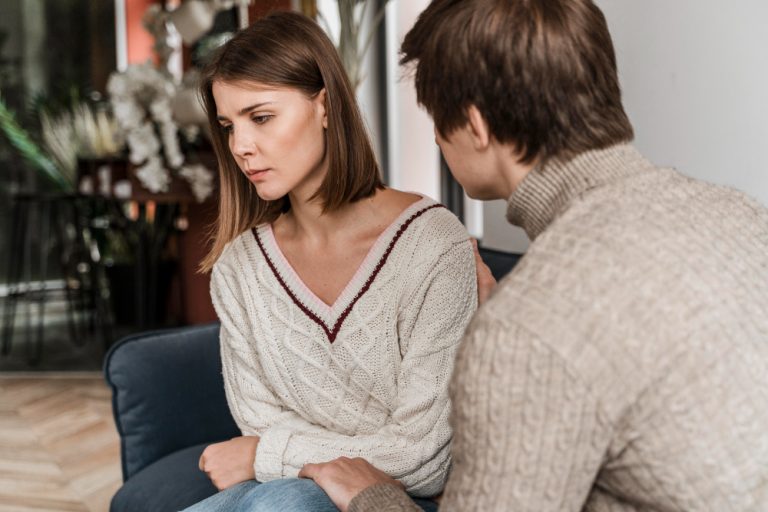
When “We” Feel Broken: How Couples Therapy Helps You Reconnect
There are moments in relationships when the word “we” starts to feel unfamiliar. Conversations turn tense or disappear altogether. The same arguments repeat themselves without resolution. What once felt natural now feels strained, distant, or exhausting. Many couples arrive at therapy wondering the same thing: How did we get here, and is it even possible to feel close again?
Feeling disconnected does not mean your relationship is failing. In many cases, it means you have reached a point where old ways of communicating and coping are no longer working. Couples therapy offers a space to slow things down, understand what is happening beneath the surface, and rebuild connection in a way that feels authentic and sustainable.
This article explores why relationships feel broken at times, what is actually happening underneath the conflict, and how couples therapy can help partners find their way back to one another.
When “We” Starts to Feel Fragile
Most couples do not fall apart overnight. Disconnection usually happens gradually, shaped by stress, unmet needs, misunderstandings, and life transitions. Careers become more demanding. Family responsibilities grow. Emotional wounds go unspoken. Over time, couples may begin to feel more like roommates than partners.
Some common signs that couples feel disconnected include:
- Frequent arguments that never seem to lead to resolution
- Avoiding difficult conversations out of fear they will escalate
- Feeling lonely even while sharing the same space
- A loss of emotional or physical intimacy
- Resentment that quietly builds over time
Often, couples believe the problem is the conflict itself. In reality, conflict is usually a signal rather than the root issue. Beneath the frustration and hurt are deeper emotions such as fear of abandonment, longing for closeness, or a need to feel valued and understood.
Why Conflict Feels So Intense in Close Relationships
Romantic relationships activate some of our most vulnerable emotional needs. When we feel close to someone, their reactions matter more. A dismissive tone, a missed bid for connection, or unresolved tension can feel deeply personal, even threatening.
From a psychological perspective, intimate relationships are closely tied to attachment. Attachment refers to our innate need to feel emotionally safe, seen, and connected to the people we love. When that sense of safety feels disrupted, the nervous system responds. Some people pursue connection through protest or heightened emotion. Others withdraw or shut down to protect themselves.
Neither response is wrong. They are attempts to preserve connection, even when they appear to push partners further apart.
The Cycle That Keeps Couples Stuck
Many couples unknowingly get caught in repetitive interaction patterns. One partner may express frustration or criticism, hoping to be heard. The other may feel overwhelmed or attacked and respond by withdrawing or becoming defensive. This pattern repeats until both partners feel misunderstood and alone.
Over time, couples may start to believe they are the problem, or worse, that their partner is the problem. Couples therapy helps shift this perspective. Instead of viewing each other as adversaries, partners learn to see the cycle as the shared challenge they are facing together.
Once the cycle is identified, it becomes possible to slow it down and respond differently.
What Couples Therapy Actually Does
Couples therapy is not about assigning blame or determining who is right. It is about understanding what each partner is experiencing emotionally and how those experiences shape behavior.
A skilled couples therapist creates a safe, structured environment where both partners can:
- Express emotions without fear of escalation
- Learn how their reactions affect their partner
- Understand underlying needs and attachment patterns
- Develop healthier ways to communicate and respond
- Rebuild trust and emotional closeness
Rather than focusing only on surface-level behaviors, therapy addresses the emotional layers underneath conflict. When partners feel emotionally seen and understood, behavior naturally begins to shift.
Reconnecting Through Emotional Safety
One of the most important outcomes of couples therapy is restoring emotional safety. Emotional safety means feeling secure enough to be vulnerable, to express needs, and to trust that your partner will respond with care.
When emotional safety is present, couples are more able to:
- Listen without becoming defensive
- Repair misunderstandings more quickly
- Express affection and appreciation
- Navigate disagreements without fear of disconnection
Therapy helps couples practice new ways of interacting that support safety rather than threat. Over time, these new patterns replace old, reactive ones.
Addressing Unspoken Pain and Resentment
Many couples carry unresolved emotional pain. Past arguments that never fully healed. Moments when one partner felt abandoned or dismissed. Life events that created distance or stress.
If these experiences are never acknowledged, they often show up as resentment or emotional withdrawal. Couples therapy provides a space to gently explore these wounds, understand their impact, and begin the process of repair.
Repair does not mean erasing the past. It means learning how to respond differently in the present.
Rebuilding Trust After Disconnection
Trust is not only about fidelity or honesty. It is also about emotional reliability. Trust grows when partners feel that their emotions matter and that their partner will show up consistently.
In therapy, couples learn how to rebuild trust by:
- Naming emotional needs clearly
- Responding to vulnerability with empathy
- Taking responsibility for hurtful patterns
- Practicing repair after conflict
Trust is rebuilt through repeated experiences of safety and care, not through promises alone.
Strengthening Communication Without Escalation
Many couples believe they have communication problems, but what they often have is emotional overload. When emotions run high, it becomes difficult to listen, reflect, or respond thoughtfully.
Couples therapy teaches skills that support calmer, more effective communication, such as:
- Recognizing emotional triggers early
- Pausing before reacting
- Expressing feelings rather than accusations
- Listening to understand rather than to defend
As communication improves, couples often find that conflict becomes less frequent and easier to navigate.
Navigating Life Transitions Together
Major life changes often place strain on relationships. Marriage, parenthood, career shifts, relocation, illness, or loss can all impact how couples relate to one another.
During transitions, couples may feel out of sync or unsure how to support each other. Therapy offers a space to realign, clarify expectations, and strengthen the partnership during times of change.
Rather than pulling couples apart, transitions can become opportunities for deeper connection when navigated intentionally.
When One Partner Is Hesitant About Therapy
It is common for one partner to feel more motivated than the other when considering couples therapy. Hesitation may stem from fear of being blamed, skepticism about therapy, or discomfort with vulnerability.
A good therapist will respect both partners’ pacing and concerns. Therapy does not require perfection or immediate openness. It requires willingness to show up and explore what is happening together.
Often, hesitant partners find that therapy feels less intimidating once they experience the supportive structure of the process.
Couples Therapy Is Not a Last Resort
Many people wait until a relationship feels nearly broken before seeking help. In reality, couples therapy can be beneficial at many stages, including:
- Early in a relationship to build strong communication habits
- During periods of increased stress or transition
- When recurring conflicts start to feel stuck
- When emotional or physical intimacy feels distant
Seeking support is not a sign of failure. It is an act of care for the relationship.
Finding the Right Support
Not all therapy is the same. Couples benefit from working with therapists who are trained in relational and attachment-based approaches and who understand the complexities of partnership dynamics.
According to the American Psychological Association, couples therapy can improve relationship satisfaction and emotional connection when both partners are engaged in the process and supported by evidence-based approaches. You can learn more about couples therapy research and outcomes through the American Psychological Association.
Finding the right fit matters. Feeling safe and understood by your therapist is an essential part of the healing process.
When “We” Can Feel Whole Again
Disconnection does not mean the end of a relationship. Often, it means something important needs attention, understanding, and care.
Couples therapy helps partners slow down, reconnect emotionally, and remember why they chose each other in the first place. It offers tools, insight, and support to move from feeling stuck to feeling hopeful again.
When “we” feels broken, it does not mean it cannot be rebuilt. With the right support, couples can create a relationship that feels stronger, more secure, and more connected than before.
This content is for informational and educational purposes only and does not constitute therapy or clinical advice. Reading this content does not create a therapist client relationship. If you need personal support, please seek care from a licensed professional.


Follow our blog
Sign up to receive alerts about new blog posts and get occasional updates about our practice.
Change Begins With A Call. Book now.
We make the therapy process a simple, welcoming experience.
After your first intake call, we’ll pair you with the perfect psychotherapist for your needs and continue to support you and your mental health every step of the way. Joy and abundance awaits.
Free 10-minute Consultation
We offer a free consultation prior to making an in-person appointment. Schedule online or call us today to get started.