



The Power of EMDR Therapy: Healing from Trauma and Emotional Triggers
Trauma does not always announce itself clearly. Sometimes it shows up as anxiety that feels out of proportion to the moment. Sometimes it looks like emotional shutdown, sudden anger, difficulty trusting others, or feeling stuck in patterns you cannot explain. For many people, trauma lives quietly in the body and nervous system, long after the original experience has passed.
EMDR therapy offers a powerful, evidence-based way to heal trauma and emotional triggers at their root. Rather than focusing only on talking through the past, EMDR works with how the brain and body store distressing experiences, helping people move from feeling overwhelmed by old memories to feeling grounded and present again.
This article explores what EMDR therapy is, how it works, and why it can be so effective for healing trauma, anxiety, and emotional triggers.
What Is EMDR Therapy?
EMDR stands for Eye Movement Desensitization and Reprocessing. It is a structured psychotherapy approach designed to help the brain process and integrate distressing memories that have become stuck or unprocessed.
When a traumatic or overwhelming experience occurs, the brain may not fully process it in the way it normally would. Instead of becoming a neutral memory of something that happened in the past, the experience remains emotionally charged. It can feel as if the event is still happening now, especially when something in the present triggers it.
EMDR helps the brain reprocess these memories so they lose their emotional intensity. The memory remains, but it no longer feels overwhelming or controlling.
How Trauma Gets Stored in the Brain
To understand EMDR, it helps to understand how trauma affects the nervous system.
Under normal circumstances, the brain stores memories in a connected, organized way. Thoughts, emotions, body sensations, and meaning are integrated together. After trauma, this process can break down.
Traumatic memories may be stored in a fragmented way, along with intense emotions, physical sensations, and negative beliefs such as:
“I am not safe.”
“I am powerless.”
“There is something wrong with me.”
When something in the present resembles the original experience, even subtly, the nervous system reacts as if the danger is happening again. This is why emotional triggers can feel so sudden and overwhelming.

What Makes EMDR Different from Talk Therapy
Traditional talk therapy can be incredibly helpful for insight, emotional awareness, and coping skills. EMDR works differently. Rather than spending extensive time describing traumatic events, EMDR focuses on how the brain processes information.
During EMDR sessions, a therapist guides the client through bilateral stimulation. This often involves eye movements, tapping, or tones that alternate from left to right. While this stimulation occurs, the client briefly focuses on aspects of a distressing memory.
This process activates the brain’s natural healing mechanisms, allowing the memory to be reprocessed and integrated. Over time, the memory becomes less distressing, and new, more adaptive beliefs can take its place.
What Happens in an EMDR Session?
EMDR therapy follows a structured, eight-phase approach. While each person’s experience is unique, the overall process is gentle, collaborative, and paced carefully.
First, the therapist helps build safety and stability. This may include learning grounding techniques, understanding triggers, and developing resources that help regulate emotions.
Once the client feels ready, the therapist and client identify specific memories or experiences to target. These may be big traumatic events or more subtle moments that shaped negative beliefs or emotional responses.
During reprocessing, the therapist guides bilateral stimulation while the client notices thoughts, emotions, images, or body sensations that arise. The client does not need to control or analyze the experience. The brain naturally moves toward healing.
Over time, distress decreases, and clients often report feeling lighter, calmer, and more connected to themselves.
Emotional Triggers and Why They Feel So Powerful
Emotional triggers are often rooted in unresolved trauma. A trigger may be a tone of voice, a facial expression, a situation, or even a feeling that resembles something from the past.
Triggers are not signs of weakness. They are signs that the nervous system learned something important about safety and danger, and it is trying to protect you.
EMDR helps by addressing the original memory or experience that taught the nervous system to react this way. When the memory is reprocessed, the trigger loses its power. The nervous system learns that the present moment is different from the past.

Who Can Benefit from EMDR Therapy?
EMDR is often associated with post-traumatic stress disorder, but its benefits extend far beyond that diagnosis.
People seek EMDR therapy for:
- Childhood emotional neglect or attachment wounds
- Relationship trauma or betrayal
- Anxiety and panic attacks
- Medical trauma
- Accidents or sudden loss
- Performance anxiety
- Negative self-beliefs and low self-worth
- Chronic stress and emotional overwhelm
EMDR is also commonly used alongside couples therapy. When individuals heal unresolved trauma, they often show up more present, regulated, and emotionally available in their relationships.
EMDR and the Body
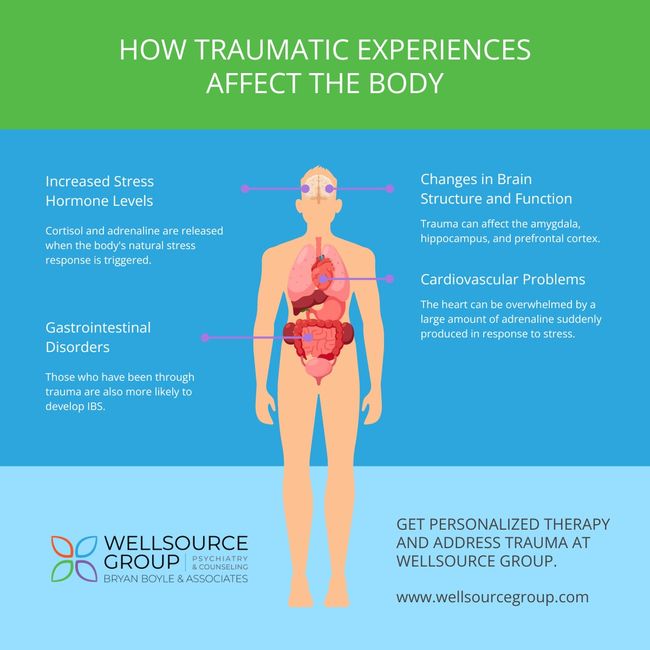
Trauma is not only stored in the mind. It lives in the body. Many people experience physical sensations connected to trauma, such as tightness in the chest, shallow breathing, or chronic tension.
EMDR naturally works with body awareness. As memories are reprocessed, physical sensations often shift or release. Clients may notice breathing deepen, muscles relax, or a sense of calm spread through the body.
This mind-body integration is one reason EMDR can feel so transformative.
What EMDR Feels Like
People often worry that EMDR will be overwhelming. In reality, EMDR is designed to be contained and client-led. You are always aware of where you are and can stop or slow the process at any time.
Some sessions feel emotionally intense, while others feel surprisingly neutral. Many clients describe EMDR as tiring but relieving. Over time, there is often a noticeable decrease in emotional reactivity and an increase in clarity and self-compassion.
How EMDR Supports Long-Term Healing
One of the strengths of EMDR is that it does not just help people cope with symptoms. It helps resolve the underlying cause.
As traumatic memories are reprocessed, clients often notice changes such as:
- Reduced anxiety and emotional reactivity
- Improved self-esteem
- Greater emotional regulation
- Increased capacity for intimacy and trust
- A stronger sense of safety and agency
These changes tend to be lasting because the brain has integrated the experience in a new way.
The Science Behind EMDR
EMDR is recognized as an evidence-based treatment by leading mental health organizations. Research shows that EMDR can significantly reduce symptoms of trauma and anxiety, often in fewer sessions than traditional therapies.
According to the American Psychological Association, EMDR is an effective treatment for trauma-related conditions and is widely recommended in clinical guidelines.
Choosing an EMDR Therapist
EMDR should be provided by a therapist who is properly trained and attuned to pacing and safety. A skilled EMDR therapist will prioritize preparation, consent, and emotional regulation throughout the process.
It is important to work with someone who understands both trauma and attachment, especially if your experiences are relational in nature.
Healing Is Possible
Trauma can make people feel stuck in patterns they do not understand. EMDR offers a path toward healing that does not require reliving the past over and over again. Instead, it helps the brain and body complete the healing process that was interrupted.
When emotional triggers lose their intensity, people often rediscover parts of themselves that felt lost. Calm, clarity, connection, and joy become more accessible.
[bookly-customer-gift-cards]
This content is for informational and educational purposes only and does not constitute therapy or clinical advice. Reading this content does not create a therapist client relationship. If you need personal support, please seek care from a licensed professional.


Follow our blog
Sign up to receive alerts about new blog posts and get occasional updates about our practice.
Change Begins With A Call. Book now.
We make the therapy process a simple, welcoming experience.
After your first intake call, we’ll pair you with the perfect psychotherapist for your needs and continue to support you and your mental health every step of the way. Joy and abundance awaits.
Free 10-minute Consultation
We offer a free consultation prior to making an in-person appointment. Schedule online or call us today to get started.